
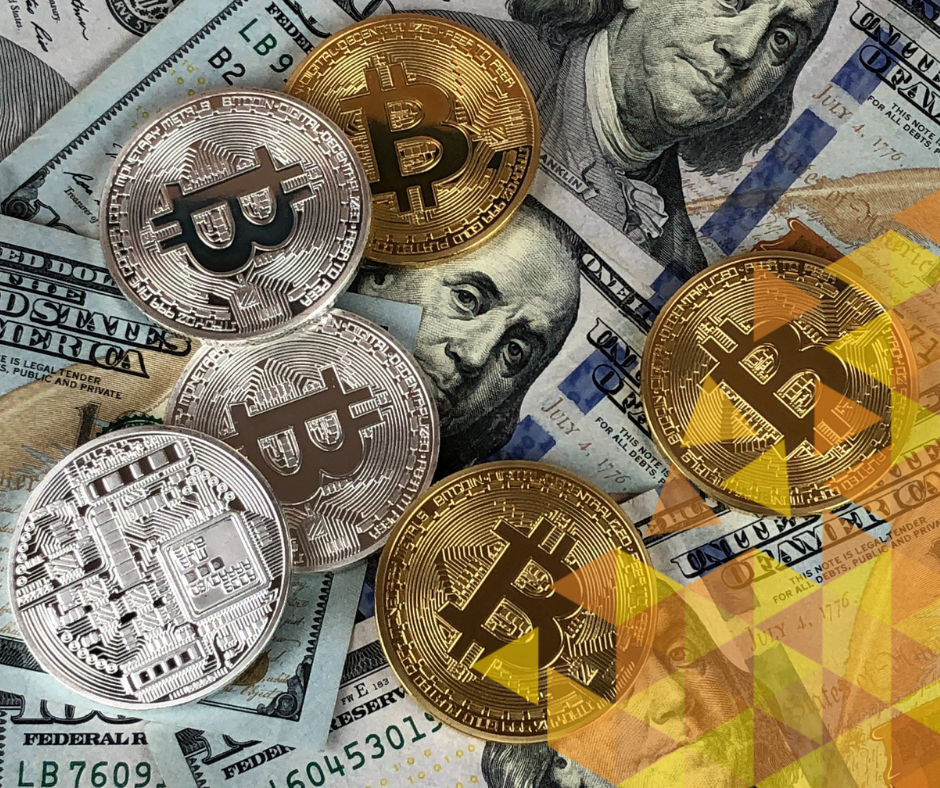
 As one of the hottest investments on the market, cryptocurrency has been enjoying the spotlight for quite a while, and scammers are eager to cash in on the excitement.
Cryptocurrency scams are particularly nefarious since the digital currency is not regulated by any government, and once it has transferred hands it usually cannot be reclaimed. Here’s what you need to know about cryptocurrency scams and how to avoid them. How the scams play out There are several ways scammers are using cryptocurrency to con people out of their money.
In each of these scams, the victim has no way of recovering the cryptocurrency they shared if an “investment” has been made. Scammers also use common spoofing technology to make it appear as if they represent a legitimate business or website. As always, when in doubt, opt-out. How to spot a cryptocurrency scam Look out for these red flags to help you avoid cryptocurrency scams:
If you’ve been targeted If you believe you’ve been targeted by any of the above cryptocurrency scams or a similar scheme, immediately report the scam to the FTC. If the scam was pulled off on social media, let the platform owners know so they can take appropriate measures. Finally, let your friends and family know about the circulating scam. Cryptocurrency offers unique opportunities for beginner and experienced investors alike, but scammers are exploiting digital currency for their own schemes. Proceed with caution to keep your money and your information safe. Your Turn: Have you been targeted by a cryptocurrency scam? Tell us about it in the comments.
0 Comments
 Data breaches show up in the news almost as often as celebrity couple breakups. According to Risk Based Security’s Mid-Year Data BreachReport, there were 1,767 publicly reported breaches in the first half of 2021, exposing 18.8 billion records. One of the most far-reaching of these breaches was the T-Mobile data breach in August, which has impacted more than 50 million people.
A data breach exposes confidential information of its victims, which can include Social Security numbers, account information, credit card numbers, passwords and more. If your personal information has been compromised by the T-Mobile data breach or another exposure, take these five steps to mitigate the damage. Step 1: Read all alerts and notifications from the compromised company The business whose data has been compromised in the breach will generally reach out to all potential victims to notify them about the exposure. They may instruct all recipients of this missive to check for signs that their information has been exposed and/or direct them toward their next step. If you believe your information may have been compromised in a breach, it’s important to read every message you receive from the exposed company. Step 2: Alert your financial institution Next, let Ingersoll-Rand FCU know your account may have been compromised. This way, we’ll know to keep an eye out for signs of fraud and place an alert on your account. We’ll be watchful of requests to approve any large transaction or withdrawal, and we’ll contact you if we notice any suspicious activity. Step 3: Change any exposed passwords A data breach generally means passwords of all kinds have been compromised. It’s best to change as many as possible after a breach to keep information and money safe. The quickest way to do this is by using a password manager, which allows you to store unique, complex passwords for each account. Although it’s important to have a different password for each account, it’s best to start by changing passwords you know were a part of the data breach. Step 4: Consider a credit freeze A credit freeze alerts lenders and credit companies to the fact that you may have been a victim of fraud. This added layer of protection will make it difficult, or impossible, for hackers to open a new credit line or loan in your name. You can freeze your credit at no cost with all three of the major credit bureaus, Equifax, Transunion and Experian. You’ll need to provide some basic information and you’ll receive a PIN for the freeze. Use this number to lift the freeze when you believe it is safe to do so. Step 5: File an identity theft report If your accounts have been compromised and you believe your identity has been stolen, file an identity theft report with the Federal Trade Commission (FTC) immediately. This will assist the feds in tracking down the scammers responsible for the data breach. It will also help you return your finances to their usual state as quickly as possible. Take these precautionary measures to protect your information from future data breaches of any kind:
Your Turn: Has your personal information ever been exposed in a data breach? Tell us about it in the comments.  Is Inflation Here to Stay?
Q: These days, I feel like I need to take out a second mortgage just to fill up on gas and restock the pantry. Are these inflated prices here to stay? A: According to the most recent report by the Bureau of Labor Statistics, U.S. inflation is currently running at a 13-year high of 5.4% — and it’s showing no signs of slowing down. Here’s what you need to know about the current state of the U.S. economy and what you can likely expect in the coming months. Inflation is not going anywhere soon The rising prices currently happening in just about every sector is hardly surprising news at this point. The inflation rate fell at the start of the coronavirus pandemic as the nationwide lockdown had people hunkering down in their homes. In March 2021, though, when the impact of halted manufacturing began hitting the market and crude oil prices started climbing, the inflation rate increased to 2.6%, hitting its current high of 5.4% in June and July. While the rate started falling in August, as was expected, to 5.3%, it then climbed right back up to 5.4% in September. Experts like the Trading Economics information technology company now expect that number to continue rising, likely hitting 5.5% in the coming months. Unfortunately for the average consumer who’s struggling to cover expenses amid rising costs, this means inflation isn’t going anywhere soon. Why are prices so high? There are several factors contributing to the inflation bubble, most of which can be directly linked to the coronavirus pandemic. First, factory shutdowns at the start of the pandemic have suppliers still trying to catch up on production shortages that resulted. Supply chain disruptions affect more than just consumers. Lots of manufacturers, like automakers, depend on other suppliers for the materials they need to continue production, further limiting supply. As always, a dearth in supply brings prices up. Second, climate change is responsible for driving up prices, particularly in the food industry. Wildfires that devastated close to 2.5 million acres in California, a record-breaking drought in Brazil that came on the heels of a severe frost and dry weather in the Dakotas have all contributed to rising prices for commodities like sugar, soy, coffee and more. This, in turn, forces restaurants and fast-food chains to increase their prices as well. Another factor contributing to rising prices in nearly every sector of the economy is the demand for higher wages across the nation. With 10.4 million job openings in the U.S., competent workers know they are highly valuable to their employers. The rising cost of living also means employees need a higher salary just to survive. Of course, businesses need to pass on this rising cost to their customers and clients. Finally, as always, the price of fuel impacts every part of the economy. With gas prices trending upward along with crude oil prices, the cost of everyday goods, luxury items and shipping will likely continue to rise. What can consumers expect in 2022? For better or for worse, shoppers are learning how to deal with the higher prices at the pump and from store shelves. Some are trimming their budgets in any way possible while others are looking for additional streams of income to help them get by. But there are many who are finding it challenging to survive in today’s economy while hoping for better news next year. No one can accurately predict the future, but economists are expecting inflation levels to taper off by the middle of 2022. According to a survey conducted by the Wall Street Journal, many are even expecting inflation to drop to 3.4% by June 2022, and then continue falling until it hits 1.8% by the year’s end. It isn’t easy to stick to your budget and savings goals with rising prices at every turn. Hopefully, though, the coming year will bring better news for the economy. Your Turn: How are you dealing with the inflation bubble? Share your tips with us in the comments. 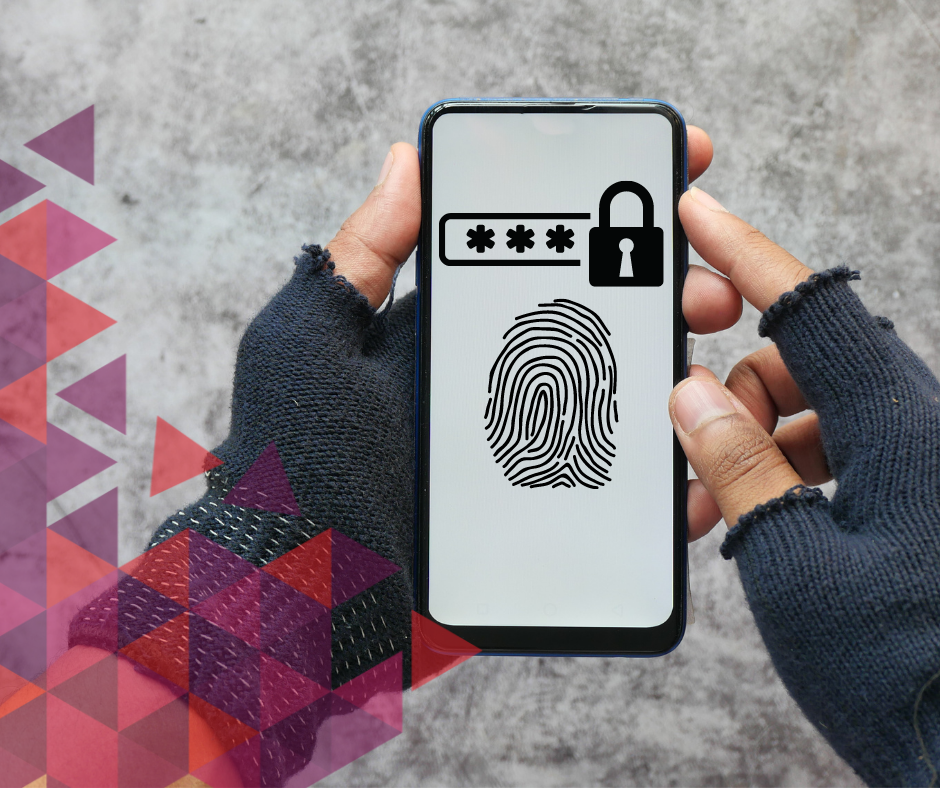 In our digital world, passwords are as much a part of our lives as Netflix and Amazon. Keeping information stored in dozens of accounts across the web can make it easier to stay on top of your finances, order a new pair of jeans or even schedule a dentist appointment.
Unfortunately, though, passwords can be relatively easy for scammers to hack, opening the door for identity theft, credit card fraud and more. Here’s where multifactor authentication (MFA) comes into play. As a means of securing your information, MFA provides an extra layer of protection for your accounts and sensitive data. Here’s all you need to know about MFA, how it works and why it’s an important step in protecting your information. How multifactor authentication works Multifactor authentication utilizes two or more factors to allow the user to sign into an account. Generally, these will consist of something the user knows, like a password or PIN, along with one or both of the following:
Why multifactor authentication is crucial for protecting sensitive information While passwords can provide some protection against hackers, they’ve proven to be an abysmally weak barrier against hackers. A recent study by Digital Shadows, a digital risk protection company, found evidence of approximately 15 billion passwords and logins floating around the darkweb as a result of 100,000 data breaches. These passwords are up for sale to other cybercriminals, potentially providing them with access to the victims’ financial accounts, credit card information, Social Security data and more. In addition to opening up the door to sensitive information, a single password can give the hacker entry into a victim’s private life. For example, by hacking into a victim’s Google password, the cybercriminal now has access to their email history, which can include important correspondence and other information; calendar, which can provide a complete picture of the victim’s upcoming events and meetings; YouTube account, which unlocks the victim’s viewing history and uploads, and any other apps that allow users to sign in with a Google account, such as Asana and Mint. Unfortunately, passwords can be cracked by amateur hackers, even without a data breach. Many consumers make it even easier for hackers to break into their accounts by using weak, ineffective passwords that are simple to guess, and by using the same password across multiple accounts. For these reasons, using MFA when available — especially for accounts that store highly sensitive information — is crucial for ongoing security and protection. This way, in the event of a data breach or hack providing a criminal with your password or login credentials, your information will still be protected. Without access to your account’s second factor for authentication, the hacker has no way to gain entry into your account. Where you may encounter MFA In general, the more sensitive the data an account stores, the stronger security measures the company hosting or providing the account will use. Consequently, you’re most likely to encounter MFA on banking apps and accounts, money management apps, investment apps and the like. Depending on your line of work, you may also need to use MFA to sign into your personal workplace account. Finally, some retailers may offer clients the option of using MFA to sign into their accounts. Under each of these and similar circumstances, using MFA means a login time that’s a bit longer and more complicated than just inputting a password or PIN. However, measuring this inconvenience against the time, stress and money it will take to recover from a potential data breach makes it more than worth the extra few minutes. Stay safe! Your Turn: Which means of MFA is your favorite? Tell us about it in the comments.  The holidays are coming and it’s time to hit the shops! Retailers and consumers around the nation are anticipating a holiday season that’s a lot closer to pre-pandemic days than last year’s festivities. Unfortunately, though, suppliers are cautioning consumers to expect supply shortages, shipping delays and higher price tags than ever.
With that in mind, here’s a look at what you might expect to see this holiday shopping season. Supply shortages You may have already noticed the dearth in available products, from household goods to the season’s hottest toys, when shopping for the holidays and everyday goods. Suppliers are struggling to stay ahead of shoppers’ demands while still catching up on the manufacturing lag they experienced during the lockdown. Suppliers are also dealing with a labor shortage, which makes it challenging to meet their own manufacturing quotas. Finally, many manufacturers rely on other suppliers for the materials they need for fulfilling their product demands — shipping delays (described in more detail in a moment) and worldwide supply chain bottlenecks are slowing down their production processes even further. Shipping delays Even when manufacturers manage to keep the supply of their products ahead of the demand, there can be significant delays when the goods land in the U.S. To illustrate, in mid-September, a record 70 cargo ships were waiting to dock in the LA and Long Beach ports, two ports which handle approximately 40% of the country’s imported goods. The logjam is a direct result of a scarcity in available storage containers, as well as uneven deliveries of shipped goods as suppliers race to catch up with demand. The backup has since decreased in intensity but is still present, and will likely continue to be a kink in the delivery chain deep into 2022. Understaffed shops Don’t expect the royal treatment when you hit the shops this holiday season. Salespeople are likely to be even more overworked and stressed than they usually are during this time of year, as employers face massive staff shortages and are forced to place extra responsibilities on their workers. According to the Bureau of Labor Statistics most recent report, there are 10.4 million job openings in the U.S. right now, a number that has more than doubled since last year. Retailers are struggling to provide their standard level of service with fewer hands on deck, and the harried salespeople you encounter may very likely be doing the jobs of several workers. Fewer deals and higher prices Don’t count on finding super-hot deals this season while shopping to complete your gift list. In fact, the prices you’ll find on toys, clothing, electronics and other items will likely be higher than usual, thanks to factors like inflation, the rising cost of fuel and supply that falls well below demand. With shoppers eager to get their hands on the few goods that are available, retailers also have less of an incentive to offer promotions and steep discounts on any gift items. This isn’t the year to plan on shopping the sales to help you stay within budget. Shop early As a consumer, there’s not much you can do to fix the supply shortages and delays in shipping. What you can do, though, is shop early to avoid facing bare shelves and a delivery date that’s weeks past the holidays. In fact, suppliers and retailers are urging consumers to get started on their holiday shopping before Halloween this year to get the best selection at the best prices. If you’re the kind of shopper who doesn’t think about gift shopping until two weeks before the holidays, this may be the year to rethink your approach. A scarcity in supply, delivery backups, staff shortages and high prices will likely make holiday shopping more challenging this year. However, by planning ahead and starting early, you can enjoy this season’s gift shopping and still stick to your budget. Happy shopping! Your Turn: How will your approach toward holiday shopping be different this year? Tell us about it in the comments. |
Archives
January 2024
Categories
All
|
 RSS Feed
